Indian Wedding Planning in Singapore
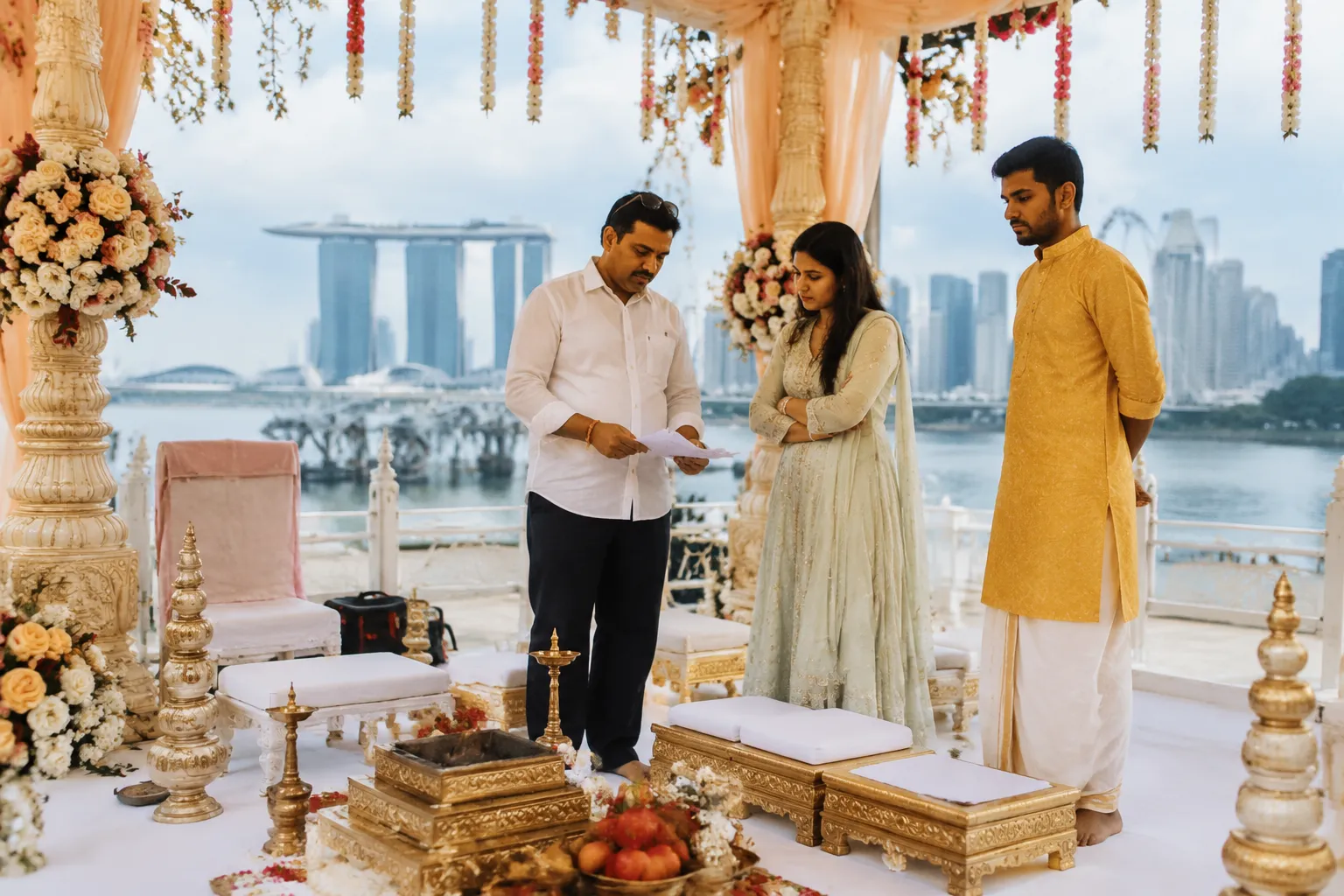
Indian wedding planning in Singapore is usually a coordination problem before it becomes a decoration problem. A couple may be connecting civil solemnisation with a temple, hall, home, banquet, reception, family gathering, or several events across one or more days. Each event can involve different people, locations, attire, suppliers, guest groups, timings, and permissions.
There is no single Indian wedding sequence for every family. Some couples may include events such as Roka, Puja, Haldi, Mehndi, Sangeet, Vratham, Baraat, Havan, Muhurtham, Pheras, Varmala, Thali or Mangalsutra rituals, Vidaai, Griha Pravesh, or Thimithi. Others may shorten, combine, omit, or reorder them according to regional background, faith tradition, family preference, priest or officiant guidance, venue limits, and available time.
The most useful starting point is an Indian wedding event matrix: a shared planning document showing what each event is for, who owns it, where it happens, what must arrive there, and what needs to happen before the next handoff.
More specific pages
These pages continue the topic in smaller, more specific directions.
Start With the Wedding Route
List every proposed event before fixing the order of ceremonies. The matrix should reveal the practical consequences of each decision without deciding the ceremony sequence for you.
| Event or activity | Purpose | Possible setting | Primary owner | Important handoff |
|---|---|---|---|---|
| Civil solemnisation | Singapore civil marriage process | Permitted external venue, hotel, hall, or other suitable location | Couple and solemniser | Documents, witnesses, and venue access |
| Family gathering | Introductions, blessings, meals, or household customs | Home, restaurant, or event space | Named family coordinator | Guest arrival and meal timing |
| Religious ceremony | Ceremony in the couple's chosen tradition | Temple, hall, home, or religious venue | Couple, priest, or religious contact | Ritual items, seating, and timing |
| Pre-wedding event | Family or community celebration | Home, hall, hotel, or restaurant | Family or event lead | Invitations, food, and attire |
| Reception or banquet | Meal, speeches, entertainment, and guest celebration | Hotel, banquet hall, restaurant, or event venue | Couple and venue coordinator | Programme, service timing, and room layout |
| Portraits and group photography | Formal records of the day | Ceremony venue, reception venue, or nearby location | Photographer and family photo lead | Couple availability and guest movement |
For each event, ask:
- What is happening, and what is its purpose?
- Who must be present?
- Where must they be?
- What must be prepared before arrival?
- What changes after the event?
- Who confirms that the next person, supplier, or venue has received the handoff?
For example, placing civil solemnisation and a religious ceremony on the same day may reduce travel for guests while increasing pressure around documents, witnesses, attire, photography, and rest time. Holding a temple ceremony on one day and a hotel reception on another may create more breathing room, but it also adds transport, supplier instructions, and guest communication.
Keep Civil Solemnisation and Religious Events Separate
A Singapore civil solemnisation and an Indian religious or family ceremony may appear on the same itinerary, but they are different planning tracks. The civil track concerns the public marriage process, solemniser, required participants, documents, appointment timing, and solemnisation location. The religious or cultural track concerns the format chosen by the couple and family, including the priest or religious contact, ritual items, language, family roles, and venue arrangements.
The current public-service guidance from Our Marriage Journey's civil marriage process page indicates that a civil marriage application may be submitted up to six months before the intended solemnisation date and completed no later than 21 days before that date, subject to the live guidance and the couple's circumstances. This is planning context, not an eligibility decision or a determination that any individual document will be accepted. Review the page before relying on these dates; the guidance was checked for this article on 21 February 2025.
Completing the civil process does not, by itself, confirm:
- Temple availability or religious ceremony requirements
- Priest availability
- Venue access, capacity, or room layout
- Catering, food, or alcohol arrangements
- Photography permissions
- Outside-supplier access
- The timing of a family custom
Keep a separate civil section in the planning file with dates, contacts, witnesses, venue information, and document questions. Place religious and cultural arrangements alongside it, with confirmation routed to the relevant priest, place of worship, public service, solemniser, or venue.
Choose a Setting Around Its Actual Use
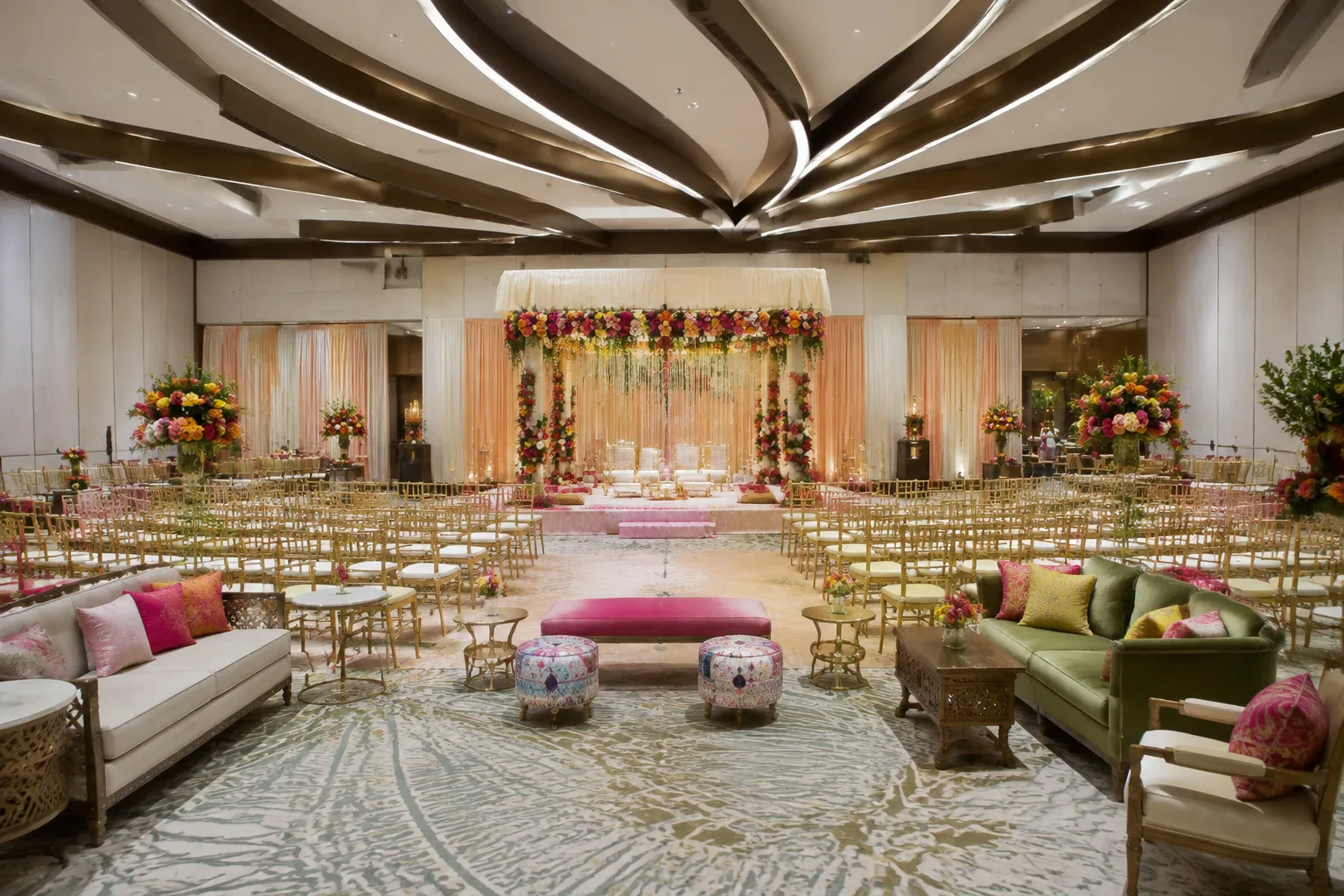
An Indian wedding venue in Singapore may be a temple, hotel, banquet hall, restaurant, home, community space, or another permitted setting. Its label or advertised capacity does not show whether it will work for the ceremony, meal, suppliers, photography, guest movement, and transitions planned for that day.
Temple, hall, or home
A temple's hours, facilities, wedding services, spaces, contact route, and operating conditions apply to that temple. Information from Sri Mariamman Temple, for example, should be treated as a venue-specific reference rather than a general rule for every temple or Hindu wedding.
Ask the chosen temple or religious contact about:
- Whether the intended ceremony format is permitted
- Available dates, time windows, and setup access
- Areas available to the couple, family, priest, and suppliers
- Ritual items supplied by the venue and items to arrange separately
- Language or interpretation needs
- Food, dietary, and alcohol arrangements
- Photography, videography, footwear, dress, and visitor expectations
- Guest entry, movement, parking, drop-off, cleaning, and departure timing
A hall or home may provide more control over the layout, but it can require more coordination. Map the ceremony area, seating, mandap or other central structure if relevant, priest's position, ritual-item storage, guest circulation, food service, changing space, photography positions, sound equipment, loading routes, rest areas, and exits.
Home events may involve neighbours, lift access, furniture movement, parking, limited toilets, and tighter capacity. Halls may have booking windows, loading rules, noise controls, fire-safety conditions, or restrictions on external caterers and decorators. Confirm these with the venue rather than relying on a generic wedding guide.
Banquet and reception
Assess a reception venue using the proposed layout, not only its headline capacity. Ceremony seating, dining tables, stage equipment, dance or performance space, buffet lines, service routes, guest circulation, and photography positions may all compete for room.
Ask the venue to confirm the specific configuration, including capacity, ceremony and dining arrangements, stage and sound positions, guest entry, meal-service timing, outside suppliers, dietary catering, alcohol policy, decoration windows, storage, photography access, room transitions, parking, and transport coordination. A package page or advertised room size is a commercial example, not a Singapore-wide capacity benchmark.
Build a Timeline With Handoffs
An Indian wedding timeline should show more than ceremony start times. It should show when people, objects, suppliers, and information move between events.
Depending on the format, the run sheet may include venue access, supplier arrival, setup and testing, couple and family preparation, guest arrival, procession, ceremony, formal photographs, meal service, speeches, performances, outfit changes, travel, room transitions, departure, and pack-down.
For every transition, record who:
- Releases the couple and gathers family members
- Carries ritual items, jewellery, documents, gifts, and personal belongings
- Confirms transport departure and handles late arrivals
- Informs the photographer, venue, and next supplier that the following block is ready
- Distributes the current run sheet
- Confirms that the venue has changed from ceremony setup to reception setup
Build buffers around transitions instead of filling every minute. Travel between Singapore venues may be short on a map but still involve loading, parking, lift access, guest movement, weather, attire, and family coordination. A commercial timeline can illustrate production dependencies, but it cannot establish a required Singapore timetable or religious standard.
Assign Roles Across Family, Guests, and Vendors
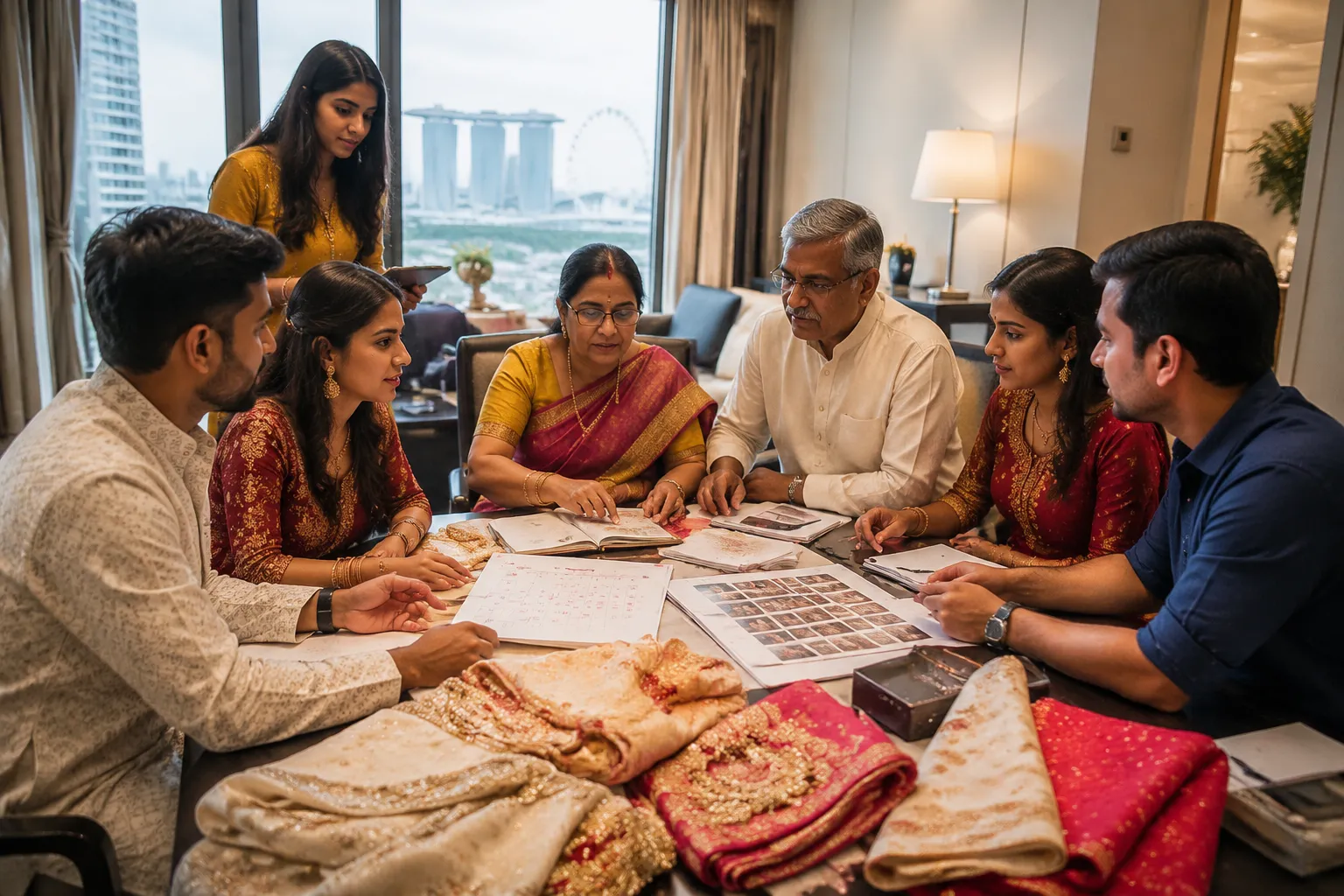
Family involvement can be central to an Indian wedding, but its form varies by family, region, faith tradition, and personal preference. Turn that variation into named responsibilities rather than assigning tasks to “the family” as a whole.
| Responsibility | Primary owner | Backup | Confirm with |
|---|---|---|---|
| Civil-process questions | Couple | Trusted family member | Public service or solemniser |
| Religious ceremony questions | Couple or family lead | Second family contact | Priest or religious contact |
| Temple or venue communication | Venue lead | Couple | Venue |
| Ritual items | Ritual-item lead | Family backup | Priest or religious contact |
| Invitations and guest routes | Named family contact | Couple | Final guest list |
| Transport | Transport lead | Guest-group contact | Drivers and guests |
| Photography groups | Photo coordinator | Family backup | Photographer |
| Attire and jewellery | Wardrobe lead | Personal attendant | Couple and family |
| Reception programme | MC or programme lead | Second MC | Couple and venue |
| Day-of decisions | Couple or named decision-maker | Backup decision-maker | Lead suppliers |
Decide which matters require the couple's approval and which can be settled by a designated lead. Prepare one master run sheet, then give each supplier the version relevant to their work. Mark each item as confirmed, pending, or requiring direct verification.
Photography, food, transport, and guest communication should be planned together. Confirm where photographers may stand, whether sacred activities may be photographed, whether flash is allowed, when family groups will assemble, and how much time is available for portraits. Group guests by the events they attend and record meeting points, destinations, departure times, accessibility needs, late-arrival instructions, and return plans.
Guest messages should identify the relevant date, time, location, arrival expectation, attire guidance, footwear or photography instructions, transport and parking details, meal information, and whether a separate reception follows. Guidance should come from the couple and, where relevant, the chosen temple or venue.
Plan Attire and Food as Operational Details
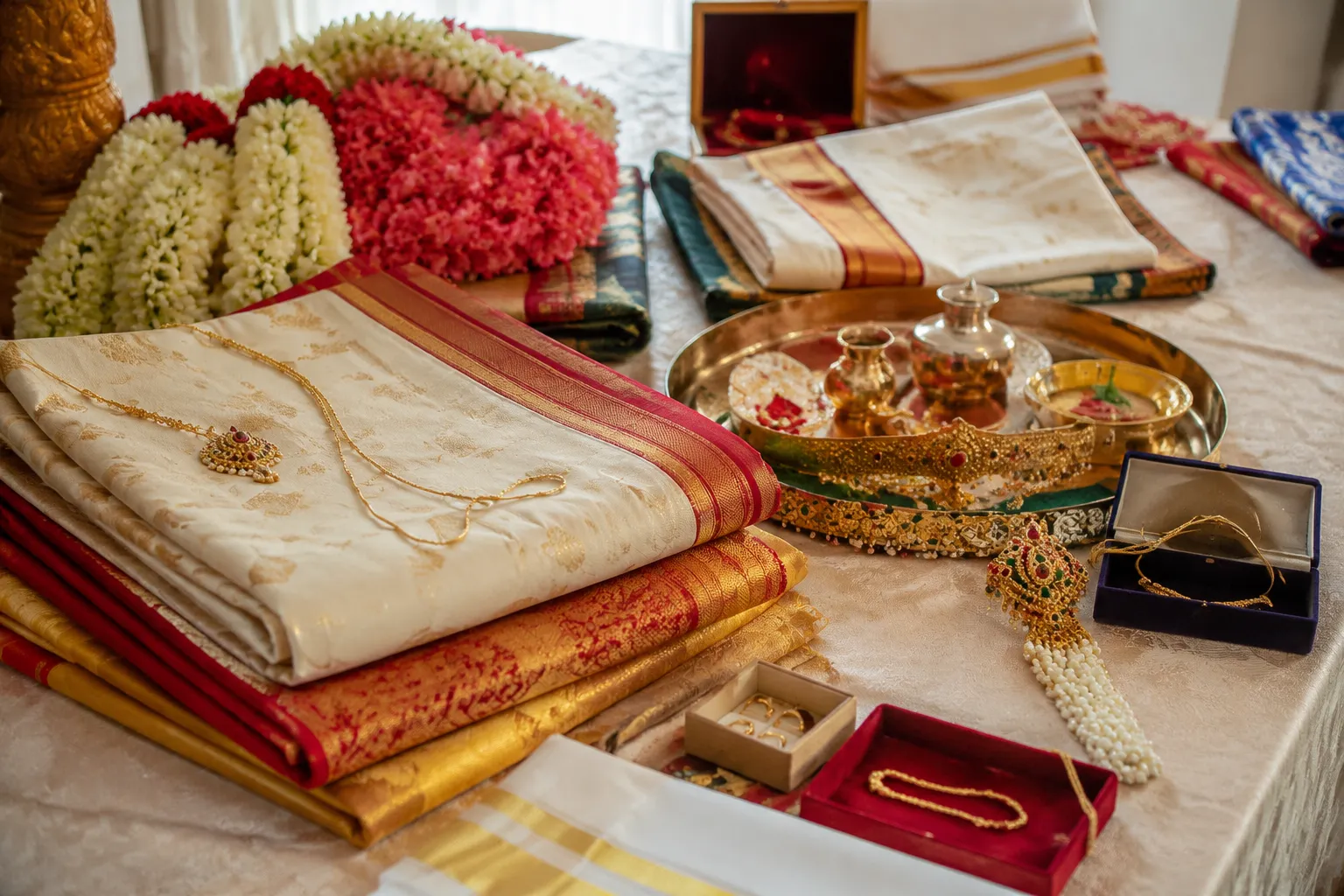
Indian wedding attire may include a sari, lehenga, dhoti, kurta, sherwani, suit, or other choices. These are examples, not a universal dress code. An outfit change can affect travel, grooming, jewellery storage, photography, rest, family portraits, ceremony access, and venue changing space.
Create an attire schedule for each person who may change. Record where the change happens, who carries the clothing, what must be prepared or steamed, where jewellery is stored, who assists, and whether a portrait block follows. Do not place a change between tightly timed events without assigning an owner.
Food planning depends on the guest group, venue rules, ceremony timing, and transport. Confirm arrangements with the relevant temple, caterer, family lead, or venue, including vegetarian and other dietary needs, kitchen access, external catering, serving time, buffet or seated service, food during long ceremonies, alcohol restrictions, storage, reheating, and headcount deadlines. User discussions may reveal questions about food or budgets, but they do not establish general Singapore prices, policies, or religious requirements.
Six Useful Planning Routes
This root page provides the map. Move into a narrower planning route when one of these questions becomes the immediate priority:
- Indian Ceremony Sequence Planning: compare possible pre-wedding, ceremony, and post-ceremony events without treating one regional or family sequence as universal.
- Indian Temple Ceremony Logistics: organise temple operations, access, ritual items, guests, photography, food, and timing after the ceremony format is agreed.
- Hall and Home Ceremony Planning: work through layout, setup, access, supplier movement, household coordination, and ceremony flow outside a temple.
- Family and Ceremony Role Coordination: assign owners, backups, decision rights, invitations, ritual items, transport, and reception responsibilities.
- Indian Wedding Attire Change Planning: coordinate outfits, grooming, jewellery, storage, helpers, movement, and photography.
- Multi-Event Wedding Timeline and Transitions: connect several events or locations through travel buffers, room changes, supplier handoffs, and guest communication.
First-Pass Checklist
- List every proposed event and its purpose.
- Classify each event as civil, religious, family, social, reception, or personal.
- Record required participants, location, setup, food, attire, transport, photography, and responsible contact.
- Create a separate civil solemnisation track and check current public-service information.
- Confirm case-specific civil questions with the relevant public service or solemniser.
- Contact the chosen temple, priest, religious contact, hall, home venue, or hotel.
- Confirm access, setup, ceremony, meal, photography, and departure times.
- Check venue-specific food, alcohol, supplier, and photography policies.
- Assess usable capacity from the proposed layout.
- Assign an owner and backup to every critical handoff.
- Group guests by event and route.
- Confirm attire and changing locations.
- Prepare transport, photography, and role-specific run sheets.
- Mark each item as confirmed, pending, or requiring direct verification.
- Recheck changing public-service and provider information before the wedding.
Common Planning Mistakes
- Using one ceremony format as the Indian wedding format: regional, religious, family, and personal practices differ, so examples should prompt questions rather than define the route.
- Combining civil and religious planning: separate deadlines, contacts, documents, venue requirements, and confirmations can disappear inside one checklist.
- Choosing a venue by capacity alone: ceremony seating, dining, staging, circulation, photography, and service routes may change the usable arrangement.
- Leaving family roles informal: invitations, ritual items, transport, photographs, and supplier calls need named owners.
- Scheduling outfit changes without time or storage: include jewellery, hair, makeup, helpers, clothing, and the photography block that may follow.
- Sending one message to every guest: guests may attend different events at different locations and need event-specific instructions.
- Treating packages or social-media timelines as requirements: these materials may suggest questions, but they do not establish current religious requirements, legal rules, market prices, or a standard Singapore timetable.
Frequently Asked Questions
- Is an Indian wedding in Singapore legally the same as a religious ceremony?
- No assumption should be made that the two are the same. Civil solemnisation and religious or cultural ceremonies are separate planning tracks. Check current civil-process information with the relevant Singapore public service or solemniser, and confirm religious arrangements with the chosen priest or religious contact.
- Is there one standard Indian wedding sequence?
- No reliable basis supports one mandatory sequence for all Indian weddings in Singapore. Families may include, omit, combine, or reorder events such as Mehndi, Sangeet, Haldi, Baraat, Havan, Pheras, Muhurtham, Varmala, Vidaai, or Griha Pravesh.
- Can information from one temple be applied to every temple?
- No. Hours, spaces, services, access, photography, food, footwear, and visitor expectations are venue-specific. Contact the chosen temple directly.
- How should we plan an Indian wedding timeline in Singapore?
- Start with an event matrix. Record each event's purpose, guests, venue, setup, attire, food, transport, photography, responsible contact, and confirmation status. Connect the events with travel buffers and named handoffs.
- Should the ceremony and reception be held on the same day?
- That depends on the chosen format, locations, guests, venue access, attire, travel, and family preferences. A same-day plan may require tighter transitions, while separate days may add venue, transport, supplier, and guest-communication work.
- What should guests wear?
- Attire varies by event, family, venue, and religious setting. Guests should follow the couple's instructions and check with the relevant temple or venue where specific expectations may apply.
- How early should civil solemnisation planning begin?
- The current public-service guidance indicates that an application may be submitted up to six months before the intended solemnisation date and completed no later than 21 days before that date, subject to live-page verification and individual circumstances. Check the current guidance before relying on these dates.
- What is the most useful planning document?
- Use one master event matrix and one route map. The matrix tracks people, places, timing, attire, food, suppliers, transport, photography, and confirmations. The route map shows how guests, the couple, family members, ritual items, vendors, and information move between events.
Sources
- OMJ | Civil marriage process for current public-service process information. Reviewed 21 February 2025.
- Sri Mariamman Temple, Singapore for a venue-specific religious-site reference.
- Singapore Hindu weddings - NLB for bounded cultural context and examples of variation.